Launching a mobile app used to be something only the biggest ecommerce brands could afford.
Custom development costs were high, maintaining separate iOS and Android apps required technical teams, and syncing products with an online store was complicated.
That has changed dramatically.
Today, many ecommerce businesses are exploring Shopify mobile apps as a way to strengthen customer relationships and increase repeat purchases.
Mobile apps allow brands to stay visible on a customer’s phone, send push notifications about new products or sales, and create a faster shopping experience than a traditional website.
Because of these advantages, more merchants are launching Shopify shopping apps alongside their mobile websites.
In this article we’ll look at real Shopify mobile app examples and explain how brands are using mobile apps to grow their ecommerce businesses.

Why Ecommerce Brands Are Launching Mobile Apps
Before looking at specific examples, it helps to understand why mobile apps are becoming popular among Shopify merchants.
Mobile devices now account for around 70–80% of ecommerce traffic globally, meaning most customers are browsing and shopping on their phones.
While mobile websites handle this traffic well, apps provide additional advantages:
-
push notifications
-
faster checkout
-
stronger brand visibility
-
improved customer retention
These features make mobile apps particularly valuable for ecommerce brands that rely on repeat purchases.
What Makes a Successful Shopify Mobile App?
Looking at successful Shopify mobile app examples, a few patterns appear consistently.
Most apps focus on three main goals:
1. Convenience
Apps allow customers to browse products and complete purchases quickly without opening a browser.
2. Engagement
Push notifications allow brands to bring customers back with updates about sales, restocks, or new product launches.
3. Loyalty
Apps encourage repeat purchases by keeping the brand visible on a customer’s phone.
Studies show mobile app users often view over four times more products per session than mobile website visitors.
This deeper engagement is one reason ecommerce brands continue investing in mobile commerce apps.
10 Shopify Mobile App Examples
Below are examples of brands using mobile apps to strengthen their ecommerce strategy.
1. Gymshark
Gymshark’s mobile app provides a streamlined shopping experience for its large customer base.
The app allows users to browse new collections quickly, receive launch notifications, and purchase limited product drops.
Push notifications play a key role during product launches when demand is high.
2. Allbirds
Allbirds focuses heavily on brand storytelling and sustainability.
Their mobile shopping experience emphasises product discovery and convenience, helping customers explore footwear collections easily.
3. Kylie Cosmetics
Kylie Cosmetics uses its mobile presence to promote product drops and exclusive launches.
Push notifications alert customers when new products are released, helping drive immediate sales.
4. Fashion Nova
Fashion Nova is well known for frequent product drops and flash sales.
Mobile notifications allow the brand to inform customers instantly about new arrivals.
This strategy encourages repeat visits and quick purchases.
5. Huel
Huel’s mobile experience makes it easy for customers to reorder products and manage subscriptions.
For brands selling consumables, mobile apps can simplify repeat purchases.
6. Gym+Coffee
Lifestyle brands like Gym+Coffee use apps to build stronger brand communities.
Customers receive updates about new collections and seasonal promotions.
7. Rebecca Minkoff
Rebecca Minkoff has experimented with app-based shopping experiences to create immersive mobile retail.
This shows how apps can be used not only for convenience but also for brand engagement.
8. ColourPop
ColourPop regularly launches new beauty products.
Push notifications help alert customers when new items are released, which is particularly useful for limited product drops.
9. Boohoo
Fast fashion brands rely heavily on repeat purchases.
Mobile apps help Boohoo promote flash sales and new collections quickly.
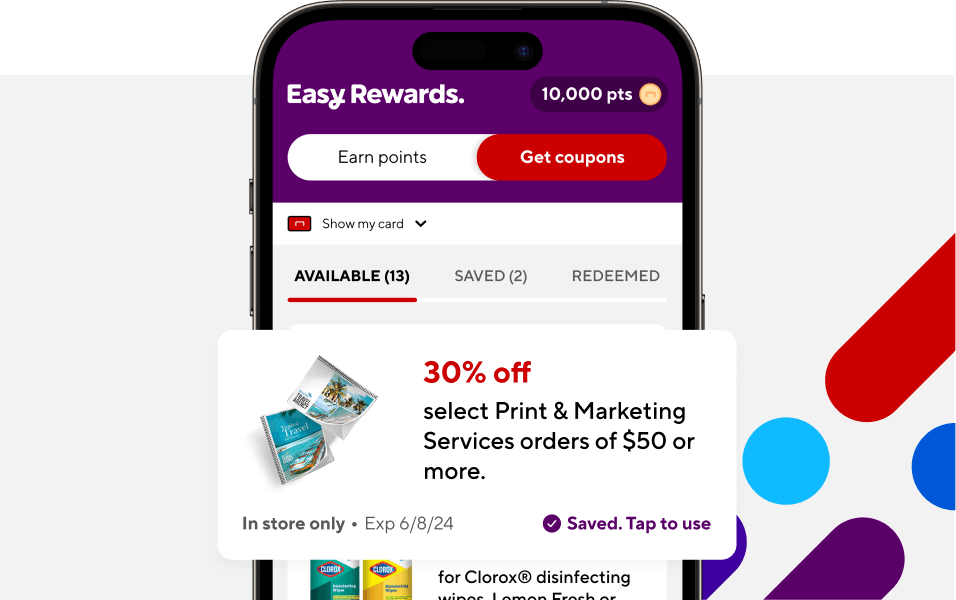
10. Staples
Retailers like Staples use mobile apps to simplify browsing, product searches, and purchasing for regular customers.
Apps can make it easier for returning customers to reorder products quickly.
What These Shopify Mobile App Examples Show
Although these brands vary in size and industry, their mobile strategies share several common themes.
Mobile apps increase repeat purchases
When customers have a brand’s app installed, it becomes much easier for them to return and shop again.
Push notifications drive engagement
Brands often use Shopify push notifications to promote:
-
flash sales
-
product launches
-
back-in-stock alerts
These notifications can bring customers back into the app instantly.
Push notifications typically achieve click-through rates around 4–5%, significantly higher than many traditional marketing channels.
Mobile apps strengthen brand loyalty
Having a brand icon on a customer’s phone keeps the brand visible and encourages repeat visits.
For many ecommerce businesses, this becomes a powerful retention tool.
Why Smaller Shopify Stores Are Now Launching Apps
Historically, mobile apps were mostly used by large ecommerce brands.
But today smaller businesses can also launch apps thanks to no-code platforms.
Instead of hiring developers, merchants can now turn their Shopify store into an app using platforms that sync directly with Shopify.
One example is AppBuild.diy, which allows merchants to generate a mobile app connected to their store using the AppBuild.diy Shopify Integration
The integration automatically syncs products, collections, and inventory, meaning the app behaves like a mobile version of the store.
In our experience, many merchants initially explore mobile apps as an experiment but quickly realise how powerful they can be for building customer loyalty.
Why Shopify Mobile Commerce Is Growing
The growth of Shopify mobile commerce reflects broader changes in consumer behaviour.
Customers increasingly expect:
-
fast mobile experiences
-
personalised engagement
-
convenient checkout
Mobile apps help ecommerce brands deliver those experiences while maintaining a direct relationship with customers.
This is why many brands now treat mobile apps as an important part of their ecommerce strategy.
Final Thoughts
Looking at these Shopify mobile app examples, one thing becomes clear.
Mobile apps are no longer just a feature for large brands.
They are becoming a key tool for ecommerce businesses that want to:
-
improve customer engagement
-
increase repeat purchases
-
strengthen brand loyalty
As mobile commerce continues to grow, apps are likely to play an even bigger role in how ecommerce brands connect with customers.
Shopify Mobile App Examples – FAQs
Do Shopify stores have mobile apps?
Yes. Many Shopify stores create mobile apps to improve customer engagement and retention. These apps allow customers to browse products, receive push notifications, and complete purchases quickly.
Why do ecommerce brands launch mobile apps?
Ecommerce brands launch mobile apps to increase repeat purchases, send push notifications, and provide faster shopping experiences for mobile customers.
Can small Shopify stores create mobile apps?
Yes. No-code platforms now allow smaller merchants to create mobile apps connected directly to their Shopify store.
What are examples of Shopify mobile apps?
Examples include apps from brands like Gymshark, Allbirds, Fashion Nova, and Kylie Cosmetics, all of which use mobile apps to engage customers and promote products.
How do Shopify mobile apps increase sales?
Shopify mobile apps increase sales by improving customer engagement, enabling push notifications, and making it easier for customers to return and shop again.
Last Updated on March 16, 2026 by Becky Halls
0 thoughts on “10 Shopify Mobile App Examples: How Ecommerce Brands Use Apps to Increase Sales”