
A good restaurant social media marketing strategy brings customers through your door. That’s because social media is an important tool people use to make purchasing decisions, and nowhere more than when choosing where to eat. People love sharing and searching for photos of food (it’s practically a hobby).
In fact, according to TouchBistro, 41% of people have decided to eat at a specific restaurant based entirely on positive social media feedback. That makes it crucial to have a strategy for how you use these platforms to attract customers. Even if you’re no social media expert, small steps like setting up your profiles can make a big difference to your exposure in the online world.
The quick version:
- Set up profiles on the platforms your customers actually use (for most restaurants: Facebook and Instagram, plus TikTok if you can film).
- Post a mix of food, offers, behind-the-scenes and customer content, three or four times a week.
- Reply to every comment and message.
- Try influencers, customer posts and small local ads.
- Check your analytics monthly and do more of what works.
Step One: Build Your Restaurant’s Social Media Presence
First, set up accounts on the platforms most used by your customers, or the people you want to attract. Facebook and Instagram are the core platforms for most restaurants. If it helps you reach your audience, consider TikTok, YouTube, Snapchat or X (formerly Twitter) too. You don’t need to be everywhere. Be good in two places rather than patchy in six.
Once you’ve chosen your platforms, consider using a tool to manage all social media in one place, so messages and comments don’t get lost.
Use social media analytics
Analytics tell you what’s working. Each platform has built-in tools showing how many people saw a post, liked it, shared it and commented on it. Use that data to learn what your customers like, and tailor your content to match. Check in once a month, double down on the posts that perform, and retire the ones that don’t.
How to Set Up Your Restaurant’s Facebook Profile
Facebook is still one of the most widely used social platforms and a key part of any social media strategy. What’s more, reports suggest that over half of consumers have used the network to discover new businesses.
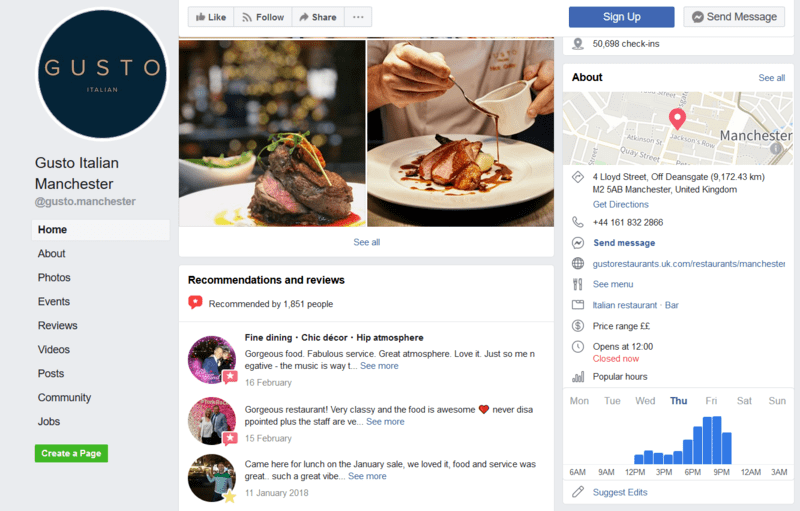
Facebook makes it easy for a restaurant to set up a business page, and it’s free. Click “Create a Page” and fill in everything your customers might need. The example above is Manchester-based restaurant Gusto, a great restaurant Facebook page. Its profile includes:
- Opening hours
- Address
- Website URL
- Phone number and other contact details
- Menu and information about the food, including images
- When it’s likely to be busy
- Customer reviews
Even if you rarely post, a page with up-to-date information means you show up when people search for your restaurant on Facebook. Optimise it well and you may also appear for general searches like “[your location] restaurant”.
In this article, we go into more detail on Facebook marketing strategies you can use at your restaurant.
How to Set Up Your Restaurant’s Instagram Profile
Instagram is another hugely popular platform for restaurants, because people love to share beautiful photos of food and social events. Like Facebook, it can have a strong influence on purchasing decisions. A study reported by The Independent, run by UK Italian food chain Zizzi, found that 30% of 18 to 35 year-olds would avoid a restaurant if its Instagram presence was weak.
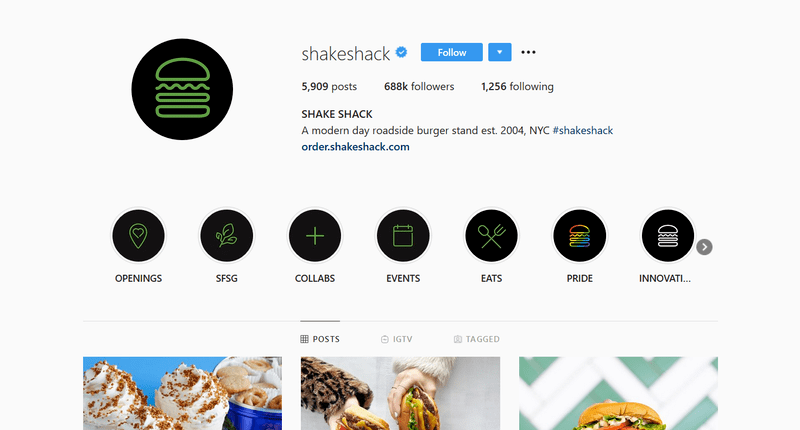
An Instagram business profile looks almost like a regular one, but with access to advanced statistics about your posts. The burger chain ShakeShack has an excellent one. It has a short bio that tells you more about the restaurant, and a link to its website so customers can learn more and order food online. It also uses Stories well, with highlights pinned to the profile, each with more information about different products and initiatives.
The catch is that Instagram only lets you put a link in your bio (and in Stories), not on individual posts. Rather than pointing people at your homepage, point them at the most important part of your website: your online reservations page, online food ordering or your app download. Check out this post for more Instagram marketing ideas for your restaurant.
Short Video: TikTok and Reels
Short-form video is where much of the attention is now. On TikTok and Instagram Reels, restaurants can show dishes being made, a busy Friday service, a chef’s tour of the fridge or a perfect pour, all in under 30 seconds. Video lets potential customers see food preparation, personalities and the atmosphere, which is often more persuasive than a still photo. You don’t need fancy kit: a phone, decent light and a bit of enthusiasm will do. Post the same video to both platforms, and reuse it on Facebook.
What About X (Twitter)?
Honestly, X is a lower priority for most restaurants than Instagram, Facebook or TikTok, and some argue it has fallen behind its rivals. But it can still be useful for quick customer service, local news and chatty brands. Statista once put 17.1 million users in the UK, a big market if it suits your audience. If you already have an account (or run a takeaway), here’s how to make it work.
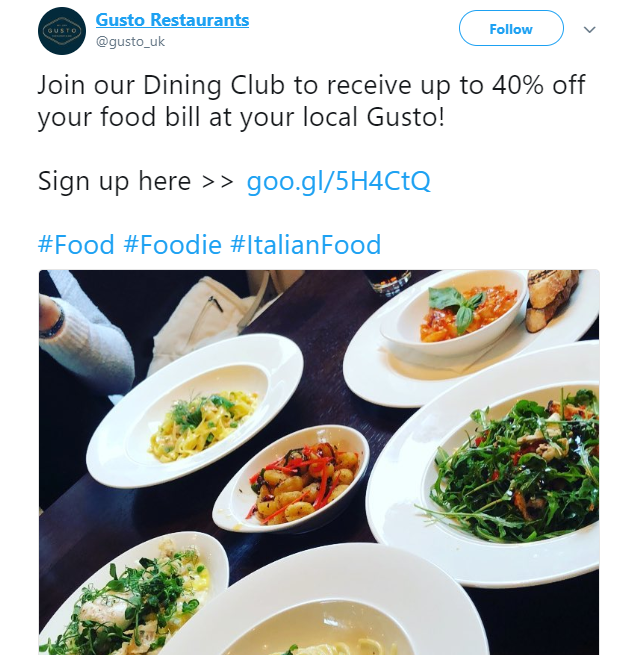
Run X-only promotions
Everyone likes to feel rewarded for following. Consider offers that only your followers know about, and the word will spread on its own. Twitter users are more inclined to follow a brand that rewards them. Ideas:
- A “one night only” secret special that followers order by mentioning a secret codeword.
- A giveaway for followers: a free meal for two or a gift card, picked at random.
- “Insider” specials, like a free drink on Fridays or free dessert on Saturdays.
- A competition to guess the head chef’s favourite dish. Winner gets it next time they visit.
- Daily specials, or a discount code for people who mention your takeaway.
- A monthly prize draw for followers who post photos of themselves at your takeaway.
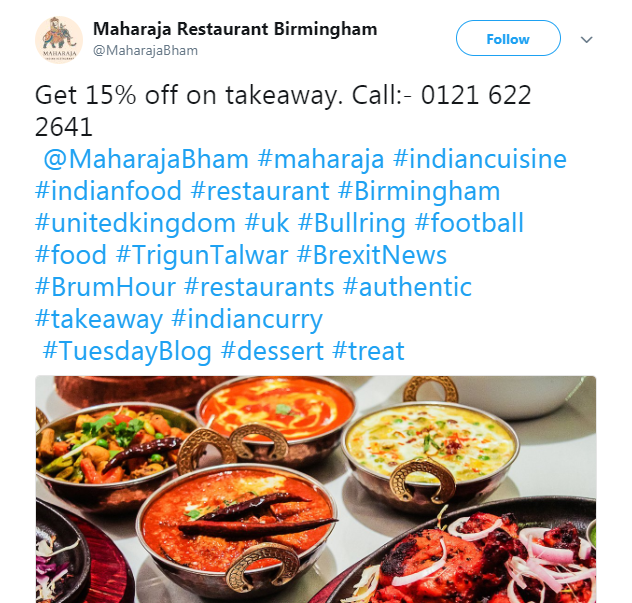
Always respond to your customers
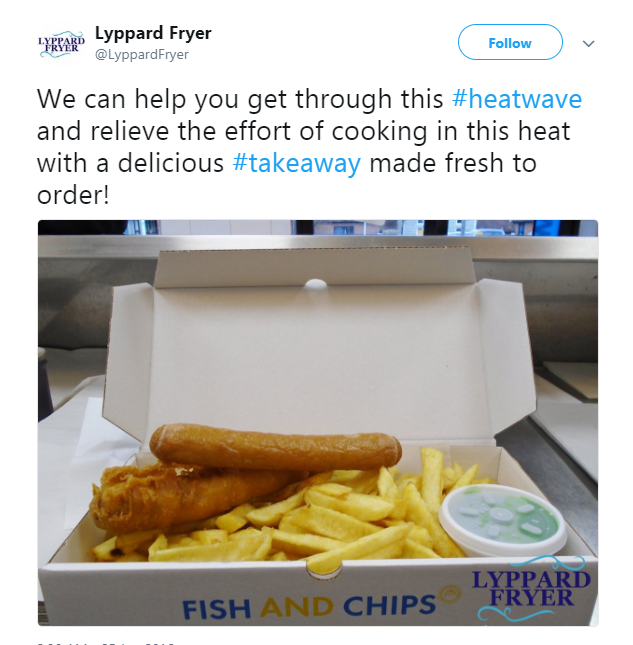
Once you’re on a social platform, people can talk to you, for better or worse. If someone asks a question, answer it. If they complain, respond professionally and fix the problem. If they praise you, thank them and share it. Never ignore bad comments: apologise, move the chat to a private message and perhaps offer a little freebie next time they visit. If you’re short of time, delegate. Your team will probably enjoy being part of it.
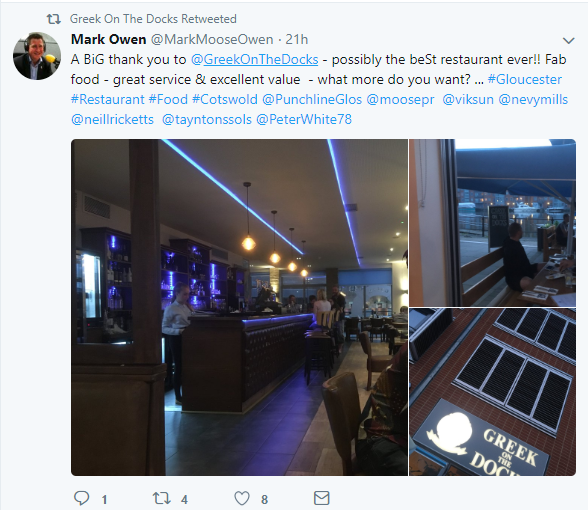
Use hashtags and polls
X is the home of the hashtag. Create a unique one for a new dish or event, and jump on relevant trending ones. One or two per post is plenty. Polls are an easy way to ask followers what they think about a potential new menu item, whether prices feel right or whether you should add outdoor seating. Be ready for honest answers, then use them.
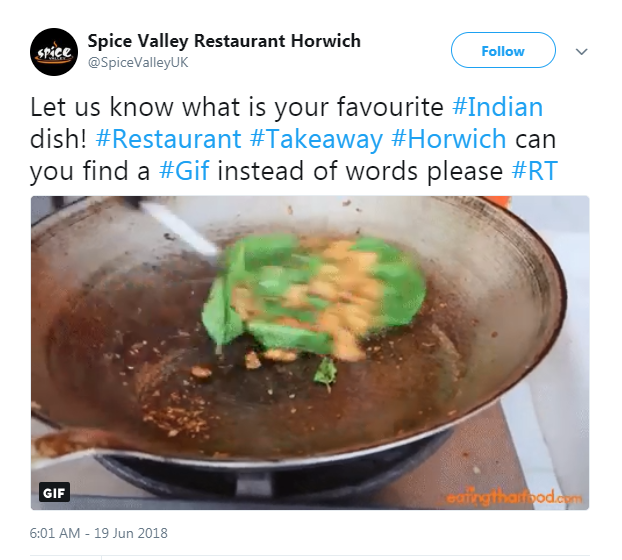
Make the most of cards, chats and analytics
- Cards. Twitter cards let links to your website show a title, image or video instead of a bare link. You add a few lines of code to your site. Card types have included summary, large image, photo, gallery, app, player and product, so check X’s current options.
- Chats. Run a regular themed chat with its own hashtag, hosted by a different team member each time (the head chef one week, the lead bartender the next).
- Analytics. Check engagement regularly to see which content resonates.
- Consistent branding. Use your logo and colours, a short bio, and a pinned post with your latest offer. If you have an app, mobile app details can sit in the pin too.
- Ask for reposts. You’ll be surprised how many more you get when you ask.
Don’t be too salesy, either. Mix promotions with where your food comes from, who’s in the kitchen and what’s behind your menu. And tell people you’re on X: add it to your website, menus and pizza boxes, along with your other social media platforms. Followers take time to build, so be patient, and keep including your marketing strategy in your social posts.
Step Two: Create Great Posts
Once your profiles are live, you need to start posting. Here’s some inspiration.
Engage with customers
Replying to comments and direct messages shows you value your customers’ feedback. Regular interaction builds loyalty and improves how people see your brand, and you can fix problems fast, in public, in a way that makes you look good.
Images of menu items
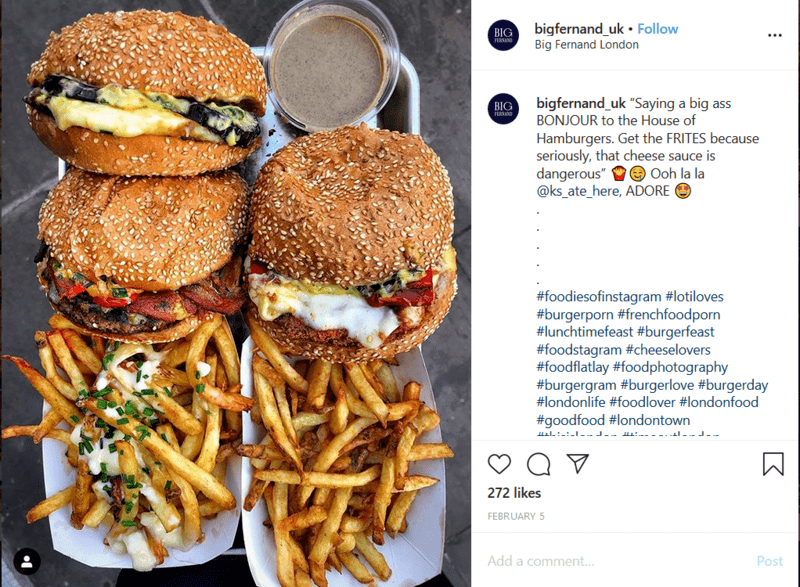
The most common restaurant post is a picture of food, and for good reason: appetising photos are what get people through the door. Add a description and a few relevant hashtags. You could use these posts to introduce new menu items or just encourage people to visit. Resist the temptation to buy some likes to look popular: it breaks platform rules, and fake followers never book a table.
Special offers
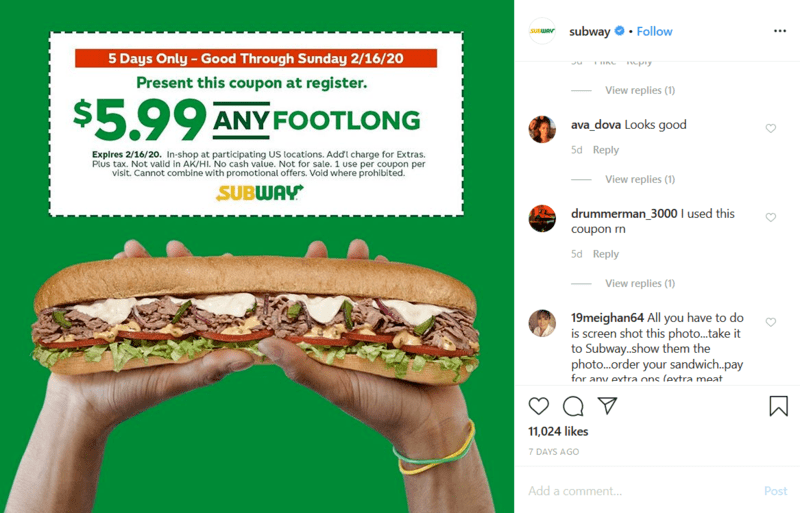
Offers on your profile are a good way to get people through the door. According to TouchBistro, 80% of restaurant-goers have visited a restaurant based entirely on receiving a promotion, and if they have a great experience they’re likely to come back. Use offers to fill quiet times or to get people to try new menu items. This article has a whole section on using offers to attract customers.
User-generated content

Resharing user-generated content shows you engage with your customers and encourages others to post about your restaurant. It’s also free, high-quality content. Always ask permission first. Many restaurants reshare customer Stories and keep the main profile for their own content. If someone tags you or posts publicly, it’s easy to share.
Use social media for customer feedback
Social media is a handy place to gather feedback. Use polls and question stickers on Instagram and Facebook to ask what people want to see on the menu or how their last visit went. It improves your offering and makes customers feel heard.
Competitions
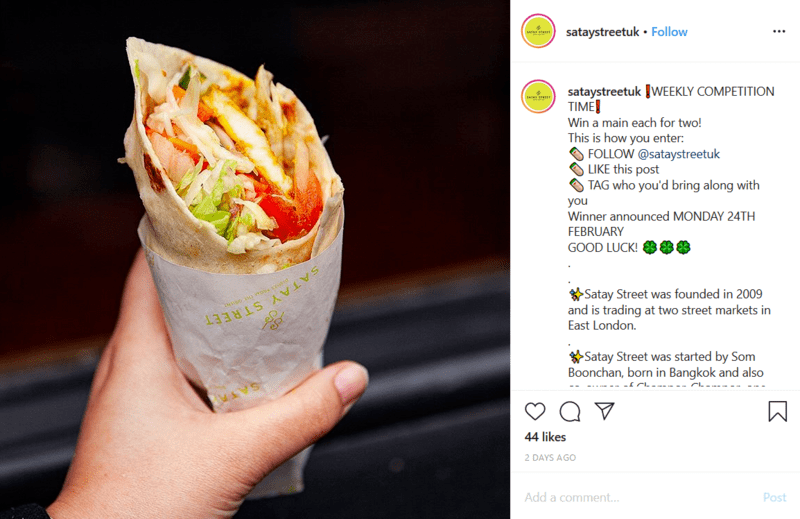
Competitions spread the word. Choose an appealing prize, like a free meal, and a way to enter that increases your reach. Some ideas:
- Ask people to comment on an Instagram photo and tag someone they’d like to bring. Pick a winner and give them a free meal.
- Ask people to share a Facebook or X post, then choose a winner.
- Ask customers to share photos with a specific hashtag and pick the best.
- Ask people to like a post and follow your account to enter.
Check each platform’s rules for running giveaways before you start.
Jokes and memes
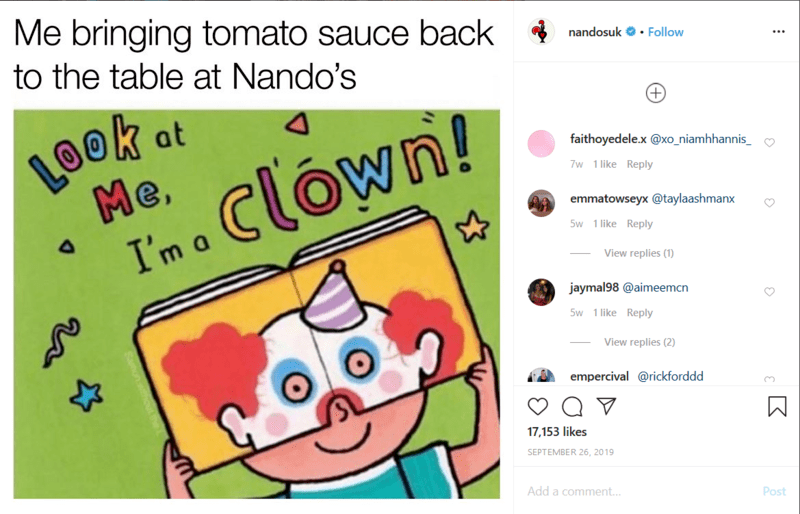
If it fits your brand voice and audience, post jokes and memes. See these restaurant mission statement examples when deciding what that voice should be. This is a way to connect with people that doesn’t feel promotional. The Nando’s post above works because it’s funny and light-hearted, and doesn’t hard-sell. Sharing jokes connects a brand with its audience on a deeper level.
Behind-the-scenes content

Behind-the-scenes posts make your business feel personable. A chef preparing the evening’s food, with a note about what they’re doing, gives your audience a backstage pass and a human element to relate to. Use it to tell your story, such as how you choose fresh, locally sourced ingredients.
What Makes a Great Restaurant Social Media Post?
High-quality images
Images are the most important part of your post, because they’re the first thing people see. If photography isn’t your thing, hire a professional for an hour or two. It’s a good investment, because you can use the photos everywhere.
Engaging text
Your text is where you get your message across. Keep it clear, correct and written in a voice that suits your audience. Be creative: mention what’s in the dish, explain how it’s cooked or where the ingredients came from. Asking a question drives comments, and comments increase visibility.
Well-researched hashtags
Hashtags help your post show up when someone searches for a topic. Research what people in your area use when looking for places to eat, for example by checking your competitors. Useful ones combine your area with “restaurant” or the type of food you sell. Be specific: instead of #londonrestaurant, which has almost half a million posts, #hackneyrestaurant gives you a better chance of being seen.
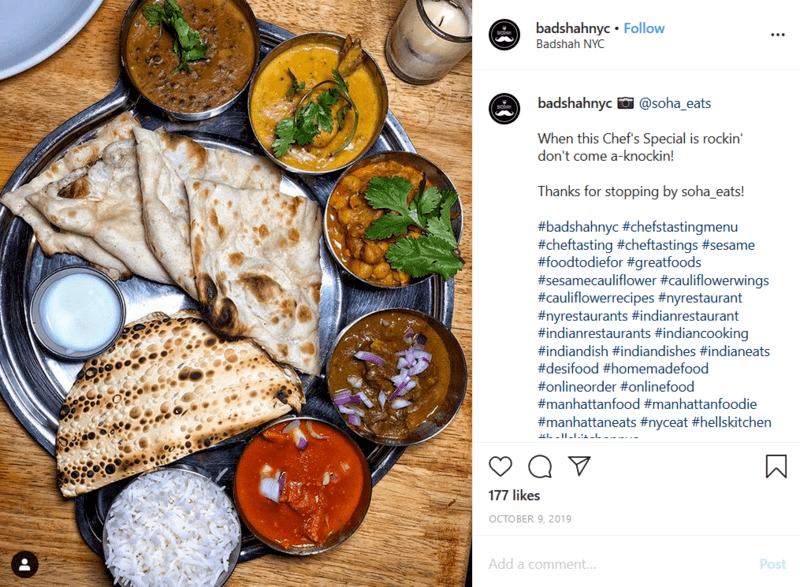
Platforms keep changing how many hashtags they recommend, and a wall of them can look spammy. A handful of specific ones usually beats thirty generic ones, and you can always experiment to see what works for you.
Step Three: Use Social Media Influencers
Social media influencers can put your restaurant in front of lots of people. The easiest way is to pay for a post. If you do, choose someone whose audience matches yours in demographic and location, and check how that audience interacts with them. An influencer with a smaller number of engaged followers can be better than one with a huge following that doesn’t interact.
Another option is to use customers as micro-influencers. It’s an effective way to market your restaurant, as studies have found that people trust recommendations from friends and family. Ideas:
- Offer freebies or discounts to people who post about your restaurant. It brings in more posts with very little work.
- Put on an event and invite people. Search for those who have posted about your restaurant, or others nearby, and mix micro-influencers with bigger accounts.
- Partner with local food bloggers: invite them to try your food or co-host an event, and ask them to share it.
Use social media ads
Social ads are an efficient way to reach more people. Facebook and Instagram let you target by location and demographics, so you can promote new dishes, events or limited-time offers to the people most likely to come. You set the budget and watch performance, so you can improve your return as you go. Start with a small local budget and see what comes back.
Step Four: Focus on the Food (and the Room)
The food you serve, and especially how it looks, is arguably the biggest factor in whether people share it online. Think about whether the presentation could be more social-media friendly. It doesn’t need gimmicks or a menu overhaul. Small touches that make a dish look more appealing can do it.
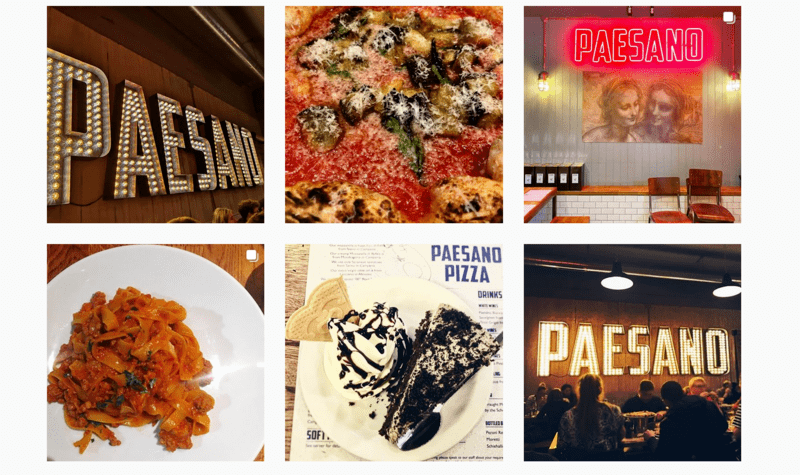
Don’t stop at the food. Interesting lighting and interior design create unofficial photo spots that people seek out and share. Below is a screenshot of #paesanopizza, the hashtag for a restaurant in Glasgow. People love sharing photos of the interior, and that’s great for branding because they’re sharing your name along with your pizza.
Social Media Is a Key Part of Your Mobile Strategy
People spend more and more time on their phones, so an effective mobile strategy is critical. Social media is a key part of this, and doing it well makes customers aware of your restaurant.
But it’s not the only part. Combining your social efforts with a mobile app can keep your restaurant full by attracting and keeping customers. If you want the strategy fundamentals behind this vertical playbook, that’s worth reading alongside this guide. Apps let you run a loyalty programme, take bookings and push special offers straight to customers’ phones. Click here to find out more about how a mobile app can benefit your restaurant.
Restaurant Social Media Marketing FAQ
Which social media platform is best for restaurants?
For most, Instagram and Facebook, plus TikTok if you’re happy to film. Pick the ones your customers use, and do those well.
How often should a restaurant post on social media?
Three or four times a week is a good rhythm. Consistency beats quantity.
What should a restaurant post on social media?
A mix of food photos and videos, offers, behind-the-scenes, customer content, jokes and news about your menu and opening hours.
Should a restaurant use X (Twitter)?
It’s optional. It can work for quick customer service and chatty brands, but most restaurants get more from Instagram, Facebook and TikTok.
Do social media ads work for restaurants?
They can, particularly when targeted tightly around your location. Start small, track bookings and orders, and scale what pays for itself.
Last Updated on November 16, 2026 by Becky Halls
8 thoughts on “Restaurant Social Media Marketing: 2026 Guide + Examples”