
Did you know that, according to one analysis, 138% more money is made from customers who buy via an email marketing offer than from customers who don’t get your emails? Email is also one of the most effective ways to keep customers coming back, often outperforming social media, because your message lands in an inbox instead of competing with a thousand cat videos.
This guide to restaurant email marketing will help you get more customers, increase what they spend, and make sure they keep coming back for more. No fancy kit required.

Image: Nick Kavounis/Unsplash
The quick version:
- Collect email addresses from people who actually want to hear from you.
- Split your list into segments (families, vegans, birthdays, regulars).
- Set up a welcome email, a birthday email and a win-back email to send automatically.
- Send one useful, customer-focused email on a regular schedule.
- Measure clicks and bookings, not just opens.
Build a segmented email marketing list
The point of your restaurant’s email list isn’t to stuff in every address you can get your hands on. It’s to find high-quality addresses from people who will genuinely benefit from your emails.
That means people who have consented to be on your list and are likely to be interested in what you offer. Gone are the days of scraped lists and sneaky newsletter sign-ups. In the UK and EU, you need clear consent under data protection rules, and in the US every marketing email needs an easy way to unsubscribe. Put together a list of people who want to hear from you and you’ll get great open rates and the fewest unsubscribes.
Implement email capture forms
Go through every stage of the journey customers take to reach you online, and work out the best places for email capture forms: your website, online ordering page, booking confirmation, Wi-Fi login and the bottom of the receipt all work. Give people a reason to sign up, like a discount, a special offer or a free coffee on their birthday.
Collect useful customer data
Segment your list so you can send different emails to different groups. One way is to work out which categories of people might be interested in your restaurant and create a segment for each. Even better, add a few optional fields to your sign-up form so people can tell you what they like.
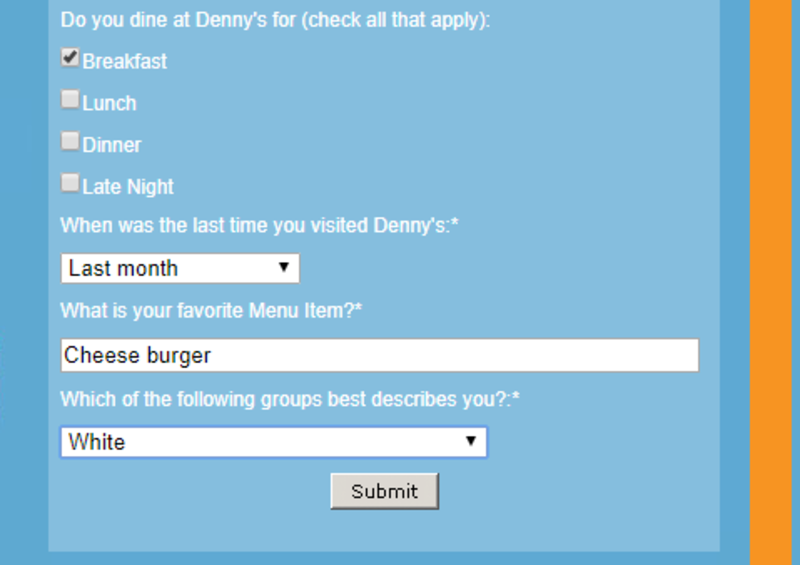
For example, families might want to hear about your child-eats-free offer or kids’ meal specials. Vegetarians and vegans will thank you for not telling them about the Angus steak burger.
Create email capture landing pages
To capture details without bombarding people with questions, embed different opt-in forms on your site, each with a landing page that represents a segment.

For example, you could have a section on your site about family deals with its own email form. Use an email service like Mailchimp so that people who sign up on that page land in the right segment of your list, such as “new menu items” or “family offers”.
Plan a schedule of email marketing campaigns
Sit down and make a list of reasons to email your loyal customers. There are loads of ways to hang content on specific events: public holidays and seasonal moments like Christmas, Easter, bank holidays, the first day of summer, autumn or winter, Black Friday and so on.
People plan work and family Christmas lunches far in advance, so give yourself plenty of time to tempt them in. It’s also a good moment to offer group discounts to workplaces and large families. The first day of summer is a great time to preview your summer menu, and so on.
You can also tap into food and drink days like National Bloody Mary Day (1 January), British Pie Week (early March), International Stout Day (the first Thursday of November) and Burns Night (25 January). There are many more examples online.

Image: Stephen Phillips/Unsplash
You can go wild with ideas, just don’t email your list every day of the week. There are loads of tasty things you can cook with stout, so on International Stout Day you might send a newsletter about your stout-marinated pork. If you have venues in Scotland, Burns Night is a great reason to send an enticing campaign. Do your research and think outside the (in)box.
Email automation tools such as SmartReach.io let you set up automated sequences, with email validation, spam test reports and spintax so each email looks more personalised. Most email platforms can also schedule and automate a series of emails for you.
Take inspiration for restaurant email marketing from social media
Social media is a treasure trove of email ideas. Topical hashtags can spark subject lines, and every post is a chance to promote your email list. Put links to your opt-in forms on your social profiles, and send each link to a related landing page so you can track opens, conversions and segments accurately.

For example, post enticing photos of your menu on the popular FoodPhotography hashtag and add a link in the comments inviting people to join your list. Everyone who signs up goes into an “Instagram” segment. You could then email that segment offering a free meal for the best photo of your food (properly tagged, of course).
Use restaurant email marketing for engagement
Email is a great way to drive engagement with your brand. That can mean getting people to visit, but it can also mean more. If you offer group discounts, people may forward your email to friends or colleagues. You could run a competition asking people to submit their most inventive cocktail recipe and serve the winner at your restaurant.

Image: John Schnobrich/Unsplash
Email marketing best practices
Use an email marketing service
Use an email marketing service (EMS) like Mailchimp to create campaigns. It lets you manage your lists in a granular way and gives you templates, though you can create your own. Before you send, use a professional email address that matches your restaurant’s domain. An address from your own domain looks more trustworthy, and your email service will usually guide you through setting up the authentication records (SPF, DKIM and DMARC) that help your emails reach the inbox rather than the junk folder. Major providers now expect this from anyone sending marketing emails in bulk.
Research other restaurants for inspiration
When designing your emails, sign up to the emails of similar restaurants and see what they do. Then compare them with the big hitters, whether that’s Burger King, Jamie Oliver or Wetherspoons. The more restaurants you subscribe to, the better your idea of what works. Remember every restaurant is different, and what works for Jamie Oliver won’t necessarily work for you. You’re looking for the “Hey, we could do that!” moment, and the more emails you read, the more likely it is to strike.
Design for phones
Most emails are opened on a phone. Keep your design simple, use one clear call-to-action button, and make sure any menu or booking link is easy to tap.
Restaurant marketing email ideas
There are a million ways to write emails that promote your restaurant, and we can’t cover them all. Here are some of the most effective.
Introductory (welcome) emails
You should have an email for each stage of the customer journey, and one of the most important is when someone first signs up. One widely quoted analysis found that welcome emails generate 320% more money than other types of promotional email. There’s no excuse not to create one: schedule it in your email service so it sends automatically when someone joins.
Here’s an example of a welcome email from Chipotle:

The design is simple but striking, with a few impactful visuals and big call-to-action buttons. The key with emails like this is to promise tasty benefits. Subscribers are promised news and updates about events and promotions, “the latest happenings” and occasional offers. From the very first email, it promises that the emails to come will be worth opening.
Create a sense of exclusivity
Notice how the email also says “You’ll be the first to hear about” offers. A sense of exclusivity shows customers it’s worth their while to stay on your list.
Take a personal approach
Email is a personal way to communicate. People have let you into their inbox, so make it worth their time. Use segmentation and automation to send tailored emails. For example, create a birthday list and send a personalised email the week before, inviting subscribers to celebrate with you, with a call to action to reserve a table.
Target customers’ interests
People unsubscribe when emails don’t relate to them, so use segments to target special interests. Include fields in your sign-up form so people can say what they like. A question about dietary preferences means you can send vegetarians the new veggie patty, not the Angus steak burger, and it shows you pay attention.
Promote entertainment at your restaurant
Email doesn’t have to be all about food. You can promote upcoming entertainment too:
- Live music. Many restaurants have it, and it’s a great way to interest subscribers. Include details of the band and any food deals that night. If appropriate, add something like “these events are usually really popular, so reserve in advance to avoid disappointment”.

- Wine and food tasting events. Tasting events are hugely popular and your restaurant is the perfect place to host one. People love experiences, and it shows your restaurant is a socially and culturally interesting place to be. These emails are much more likely to get shared with friends and family.
- Cabaret and comedy. We all know the cliché about comics ending their sets with “seriously, try the fish”, and it’s a cliché for a reason. Customers love entertainment with their food and drink.

Emails to automate
Set these up once and let them run:
- Welcome: sends the moment someone subscribes.
- Birthday: goes out a week before, with an offer and a “book now” button.
- Booking reminder: goes out the day before, with directions and your menu.
- Thank-you and review request: goes out the day after a visit, asking for a review.
- Win-back: goes to customers you haven’t seen in 60 to 90 days, with a “we miss you” offer.
Remember, email marketing is not all about you
The golden rule of retail communication: customers aren’t interested in what you do, they’re interested in what you can do for them. To put it bluntly, it’s not about you, it’s about them. Rather than saying this:
“Generic Burger are proud to have kept our burger restaurant running as a family business for over 7 years. We take great pride in producing delicious tasting burgers made from only the finest burger ingredients.”
Say something like this:
“Do you want the perfect burger, packed with any ingredients you can imagine? Get an exclusive 15% off our Build It Yourself Burger with the coupon enclosed in this email. And this is just a taste of the great offers and updates we’ll send you. We understand that the only good spam is in a sandwich, so we promise we’ll send you only relevant stuff and you can opt out at any time.”
It’s more engaging and value-packed, and it says something about your brand personality and what customers can expect from future emails.

Image: Alex Haney/Unsplash
Write customer-focused copy
The trick is to list the concrete benefits you can offer your customers. Talk to your finance person about the occasional discount, and your suppliers about free items you can give away in competitions. Don’t get carried away: offers aren’t about giving away money, they’re about adding value to the restaurant experience.
Once you know what you can offer, design your emails and ask yourself: would I be happy to get this in my inbox? If yes, you’ve made something that benefits your subscribers. If no, go back to the drawing board.
Restaurant email subject lines that get opened
Your subject line decides whether your email gets opened or ignored. Keep it short, specific and a bit tempting:
- “Your table’s waiting (and so is dessert)”
- “Happy birthday! Dinner’s on us”
- “New on the menu: [dish name], and it’s a big one”
- “This Friday only: two courses for [price]”
- “We miss you. Here’s [offer] to come back”
- “Live music this Saturday, book before it’s full”
A welcome email template to steal
Subject: Welcome to the [Restaurant Name] family
Hi [first name],
Thanks for joining us! You’ll be the first to hear about new dishes, live nights and the occasional offer (we’ll never send more than [frequency] and we’ll never spam you).
To say thanks, here’s [offer] on your next visit. Just show this email at the table.
[Button: Book a table] [Button: See the menu]
See you soon,
[Name], [Restaurant Name]
Set a regular email marketing schedule
Send emails at an agreed frequency, say once a month or fortnight, and tell subscribers what to expect. You may send extra emails for public holidays and the like, but where possible fold these into your regular bulletin. One of the main reasons people unsubscribe is that they get too many emails, so be careful.
What to measure
- Clicks and bookings. They tell you whether the email did its job. Open rates are less reliable now, because some email apps pre-load emails and inflate them.
- Sign-ups. How many new subscribers each channel brings in.
- Unsubscribes. A spike means you sent too much or something irrelevant.
- Revenue per email. Use a unique offer code or booking link so you can match orders to emails.
For the bigger picture, see our restaurant marketing plan guide, and pair your emails with a customer loyalty programme.
Restaurant email marketing FAQ
How often should a restaurant send marketing emails?
Once or twice a month works for most restaurants. Pick a rhythm and tell your subscribers what it is.
How do I get email addresses for my restaurant?
Ask for them with a clear incentive: at the table, on your website, on your booking and ordering pages and on social media. Always get consent.
What should I put in a restaurant newsletter?
Offers, new dishes, events, entertainment and the occasional story about your team or suppliers. Make it about what’s in it for the customer.
What’s the best email marketing tool for a restaurant?
Mailchimp is a popular starting point. Look for segmentation, automation and easy templates, and check the price as your list grows.
Is email better than social media for restaurants?
They work best together. Social media helps people find you, and email keeps them coming back, because the list is yours.
Wrapping up: restaurant email marketing
We hope this guide has given you plenty of ideas for transforming how you talk to your customers. The tips are simple to put into practice, but they’ll bring you great results if you take the time and care to craft emails that get your subscribers’ mouths watering.
Last Updated on November 16, 2026 by Becky Halls
3 thoughts on “Restaurant Email Marketing: Ideas and Examples to Supercharge Your Newsletter”