Best Practices for User Activity Tracking in Apps
Practical best practices for tracking user activity in apps: choose key events, set SMART goals, combine auto/manual tracking, validate data, and act on insights.

Practical best practices for tracking user activity in apps: choose key events, set SMART goals, combine auto/manual tracking, validate data, and act on insights.
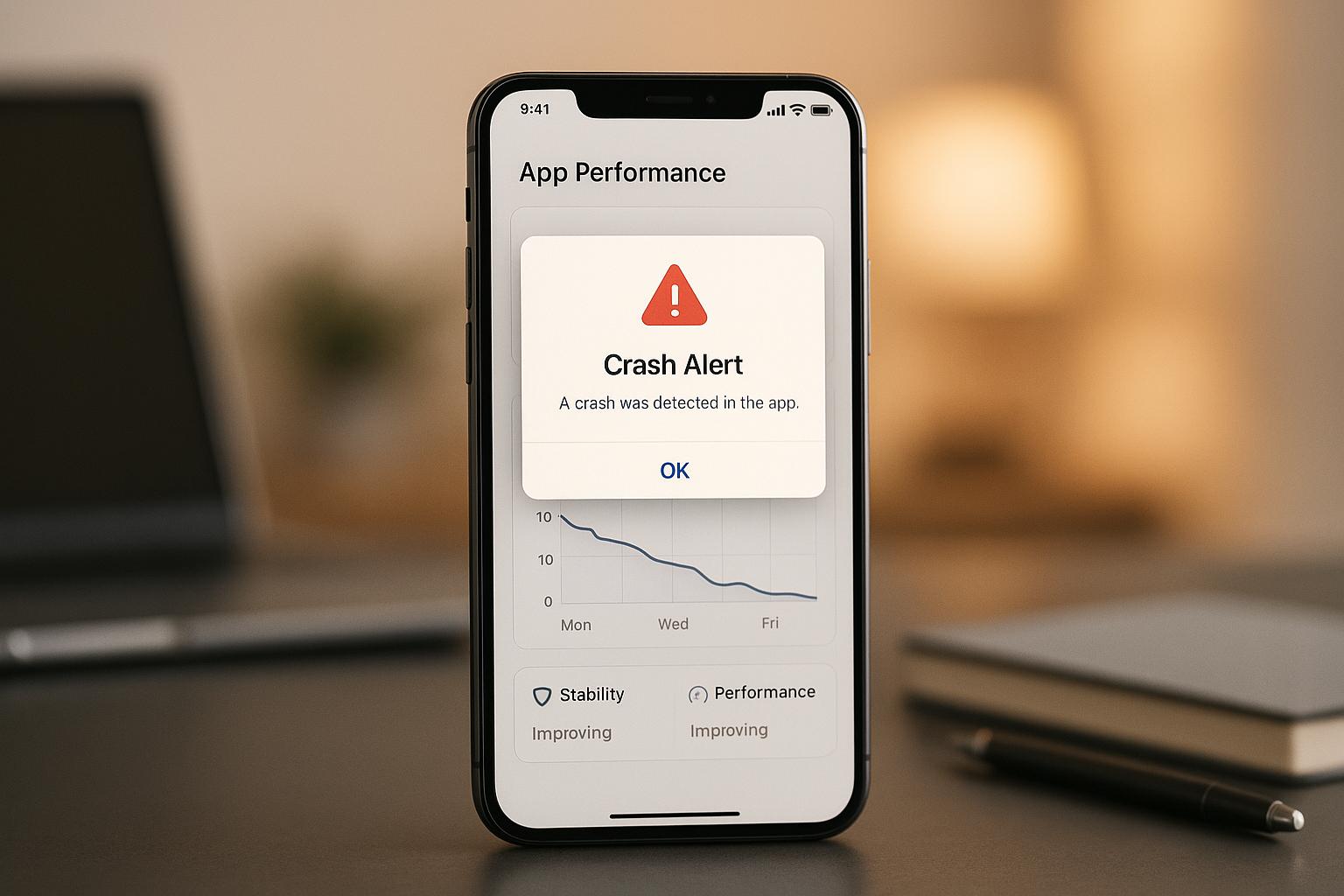
Real-time crash alerts capture stack traces, device info, and user actions to prioritize fixes, cut crash rates, and improve app stability and retention.

Tailor push notification setups to each platform – APNs, FCM, and service workers – to ensure reliable delivery and better user engagement.

Introduction: Turning a simple concept into a fully scalable business is one of the most challenging yet rewarding journeys a founder can experience. Every great company that exists today began with a small, almost fragile idea. What separates those that expand from those that disappear is not just strategy, timing, or resources, but the ability…
Read More

Explore the key differences between no-code and low-code platforms to find the best fit for your app development needs based on customization and complexity.
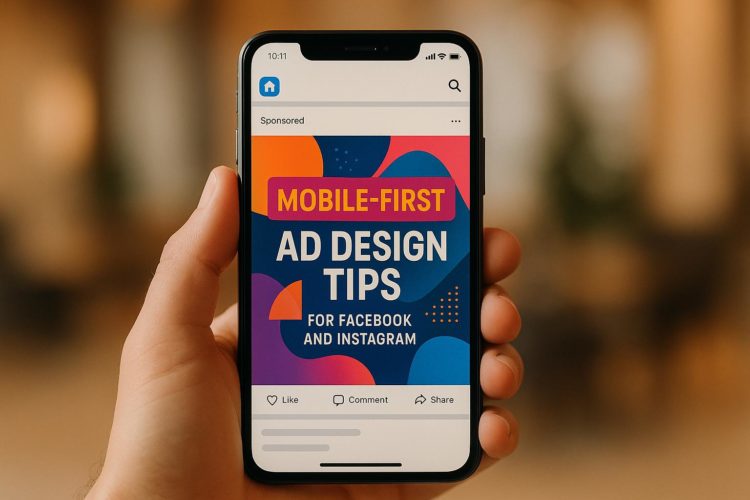
Learn essential mobile-first ad design tips for Facebook and Instagram to enhance engagement and conversions in a mobile-driven world.

Explore essential caching strategies for Progressive Web Apps, enhancing speed, offline functionality, and user experience in your app development.

Master typography in no-code apps for improved readability and user experience with practical tips on font selection and design principles.
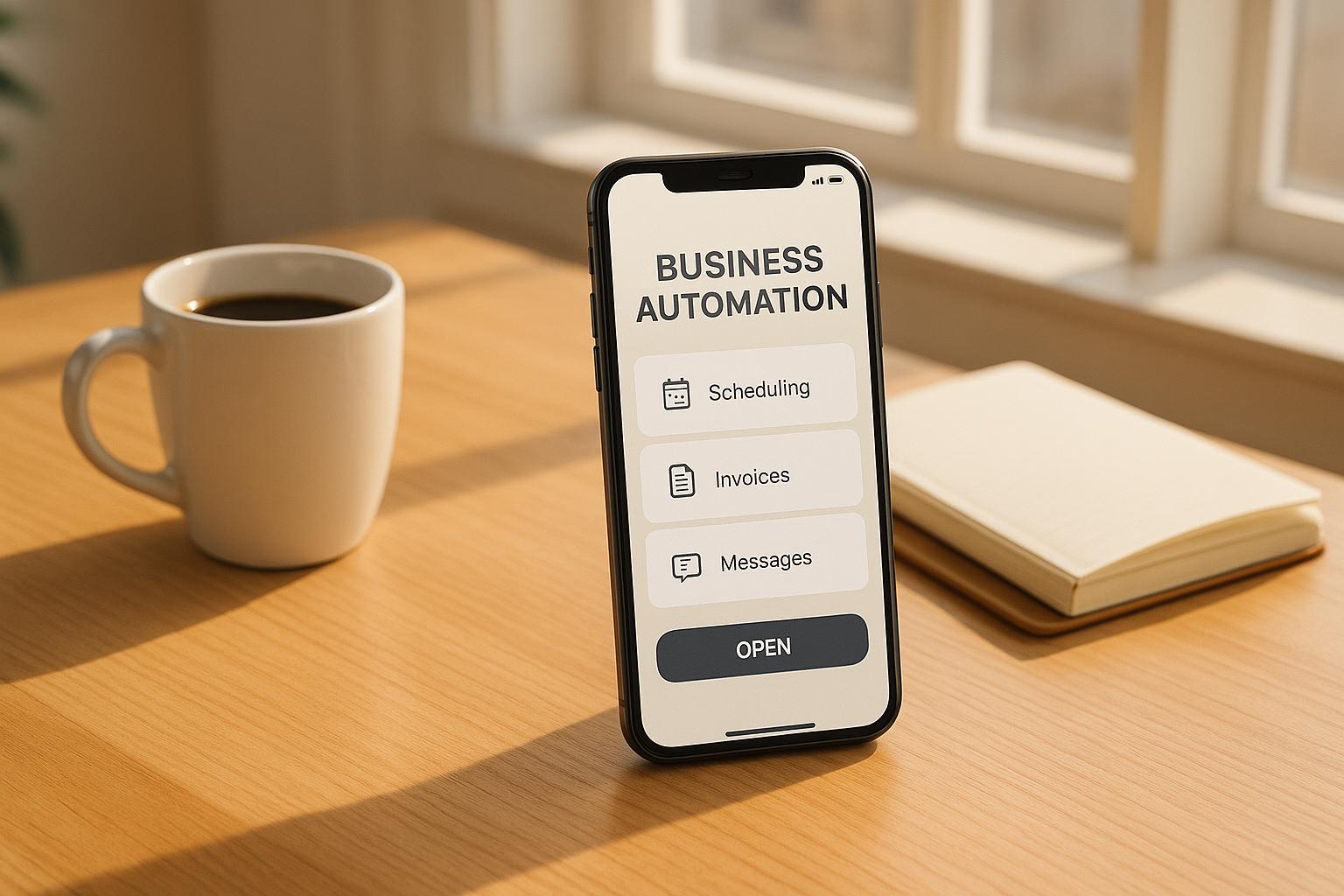
Learn how mobile apps are revolutionizing small business processes by automating tasks like invoicing, scheduling, and customer communication.

Explore the top cross-platform development tools for building apps that work seamlessly across iOS, Android, and web platforms in 2025.