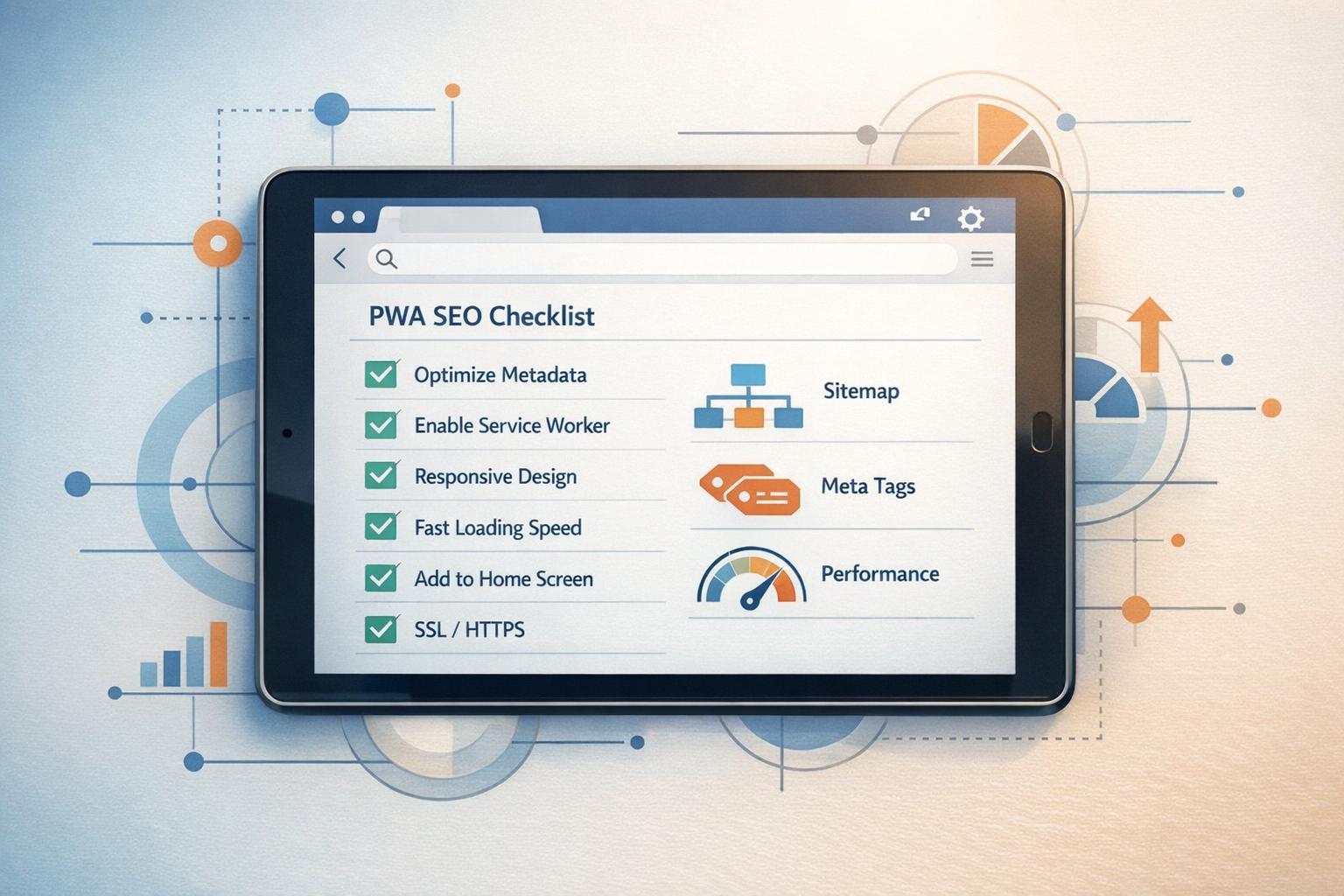
Practical PWA SEO checklist: configure manifest and service worker, enable HTTPS, use SSR, submit sitemaps, and optimize metadata and Core Web Vitals.
Blog
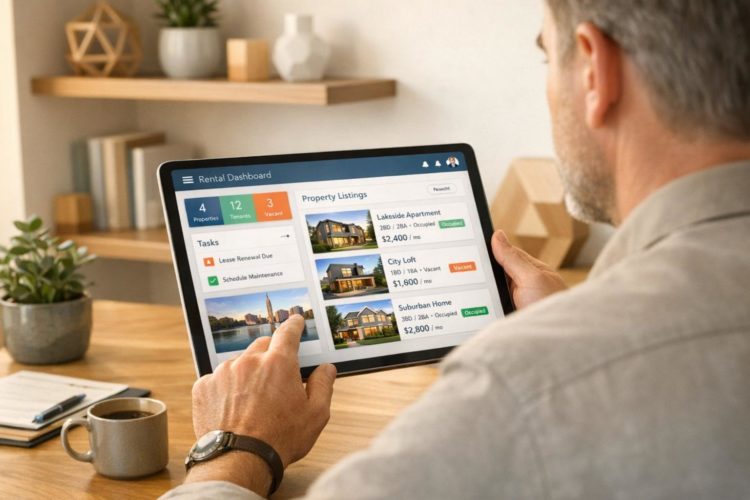
Best No-Code Platforms for Rental Apps
Compare four no-code platforms for building rental apps—features, pricing, mobile capabilities, and which option fits landlords or property managers.

How to Track In-App User Behavior
Learn how to define goals, track key events and metrics, map user journeys, and analyze behavior to boost retention and conversion in mobile apps.
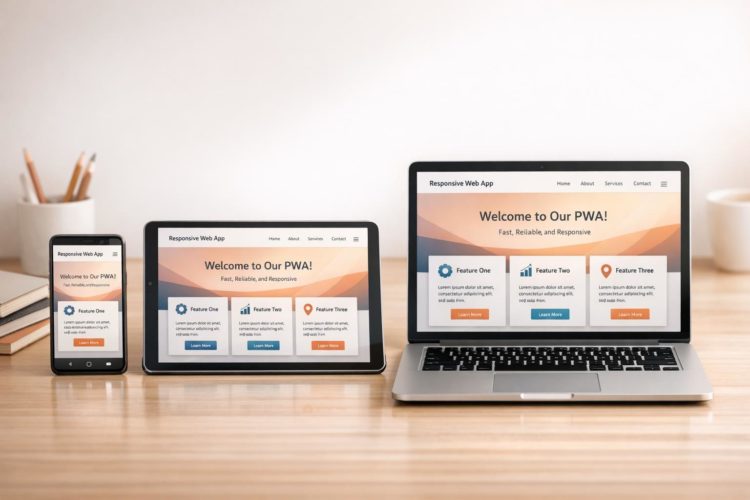
Best Practices for PWA Responsive Design
Design responsive PWAs with mobile-first layouts, Grid/Flexbox hybrids, touch-friendly UI, image optimization, smart caching, and testing for fast, reliable cross-device experiences.
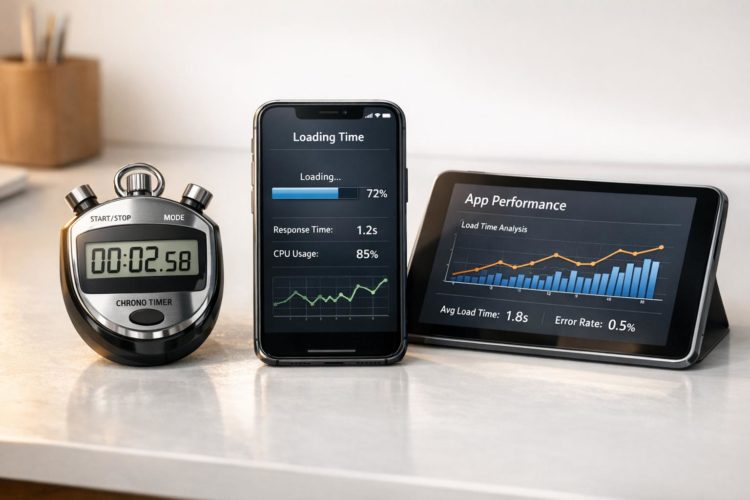
How to Measure App Load Time Accurately
Measure web and mobile app load time with LCP, FCP, INP and cold/warm/hot starts. Use lab and field tests and target the 75th percentile for real gains.
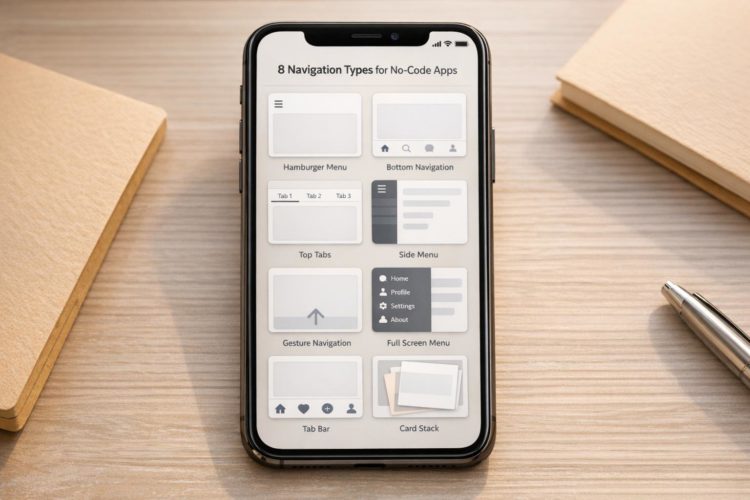
8 Navigation Types for No-Code Mobile Apps
Compare 8 navigation patterns for no-code mobile apps — pros, device fit, menu capacity, and best use cases for hamburger, bottom bars, gestures, and full-screen menus.

Best No-Code Platforms for Gradebook Apps
Compare five no-code platforms for building gradebook apps—features, pricing, mobile/PWA support, and integrations to help educators choose the right tool.
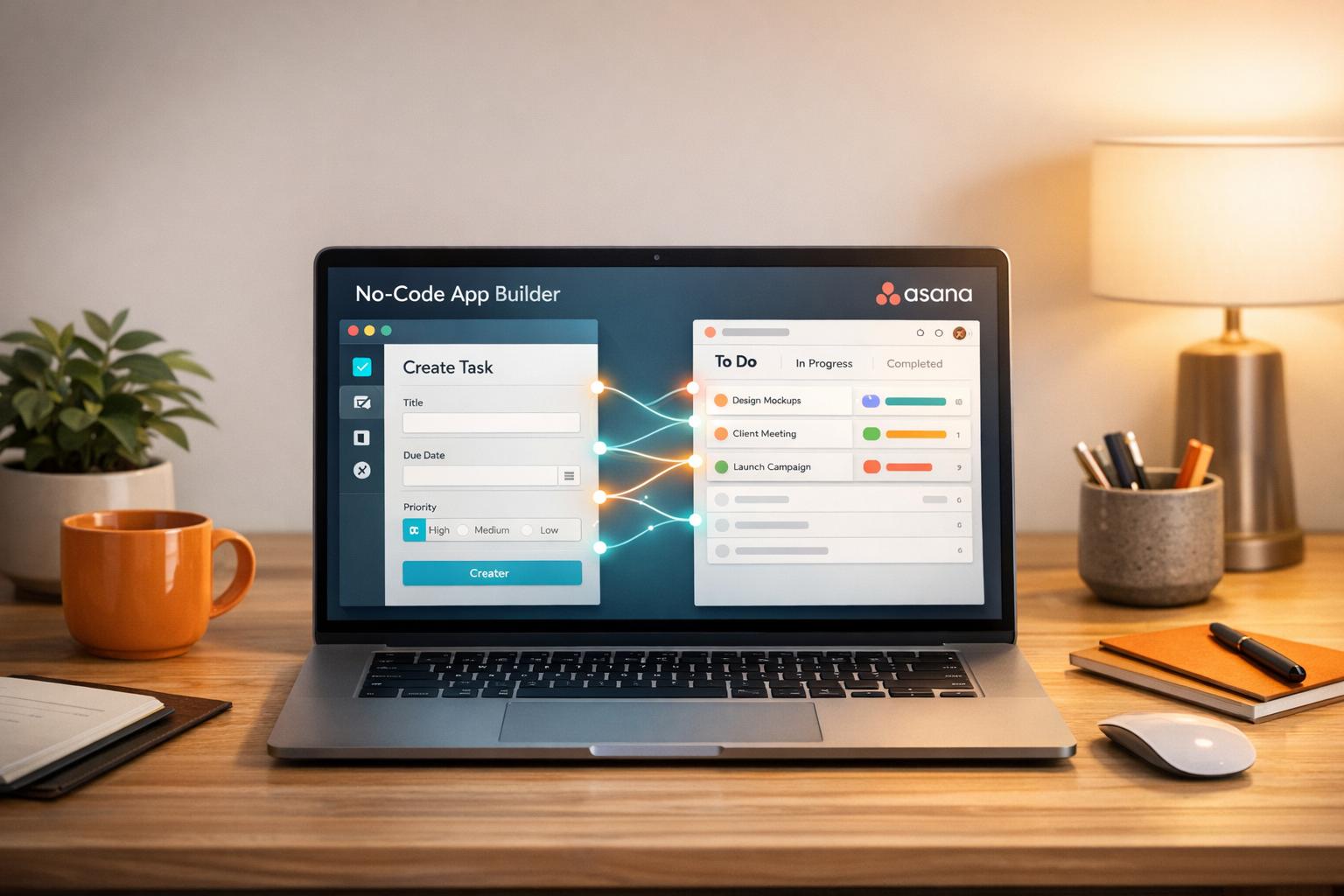
How to Connect No-Code Apps to Asana
Step-by-step guide to link a no-code app with Asana using a Personal Access Token, map fields, set triggers, test, and fix common integration issues.

Best Open-Source Tools for Mobile App Load Testing
Compare open-source load testing tools for mobile apps — JMeter, Gatling, Locust, Tsung, and k6 — choose by protocol support, scalability, and team skills.

How To Optimize Asset Delivery For Android Apps
Shrink Android app size and speed up launches with Play Asset Delivery, texture targeting (TCFT), WebP, and delta updates.