How to put your Lovable app on the App Store and Google Play
4 ways to turn a Lovable or vibe-coded web app into an iPhone and Android app: Capacitor, PWA, native rebuild or a wrapper service. Costs, risks, push.

4 ways to turn a Lovable or vibe-coded web app into an iPhone and Android app: Capacitor, PWA, native rebuild or a wrapper service. Costs, risks, push.

If you’ve been anywhere near the startup or indie hacker world recently, you’ve heard the phrase “vibe coding.” Coined by AI researcher Andrej Karpathy in February 2025, it describes something that would have sounded like science fiction just two years ago: describing the app you want in plain English, and watching an AI build it…
Read More
For years, PDFs have been the standard way businesses share information. Restaurants share menus.Companies distribute brochures.Schools send guides and handbooks.Retailers publish catalogues. But there’s one problem. PDFs aren’t particularly engaging. They’re static, difficult to navigate on phones, and rarely encourage interaction. That’s why many businesses are now searching for ways to convert a PDF to…
Read More

Compare CSS, JavaScript, native, and third-party animation methods for mobile apps with practical tips to prioritize transform and opacity for smooth 60fps performance.

Learn five practical steps to add in-app feedback: set goals, choose no-code tools, integrate forms, time prompts, and act on user insights.
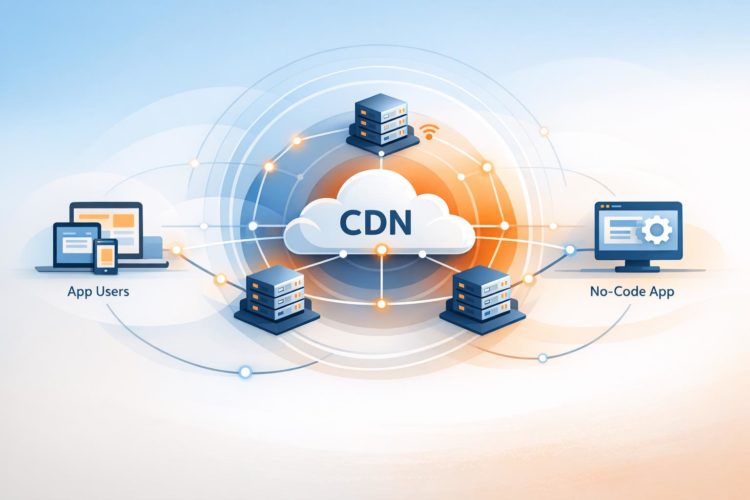
Learn how to add a CDN to your no-code app: pick a provider, update DNS and cache settings, version assets, and test performance.
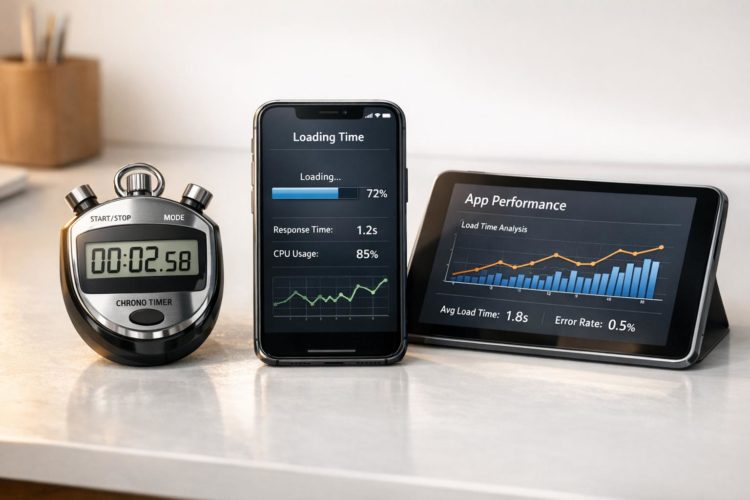
Measure web and mobile app load time with LCP, FCP, INP and cold/warm/hot starts. Use lab and field tests and target the 75th percentile for real gains.

Compare open-source load testing tools for mobile apps — JMeter, Gatling, Locust, Tsung, and k6 — choose by protocol support, scalability, and team skills.

Shrink Android app size and speed up launches with Play Asset Delivery, texture targeting (TCFT), WebP, and delta updates.
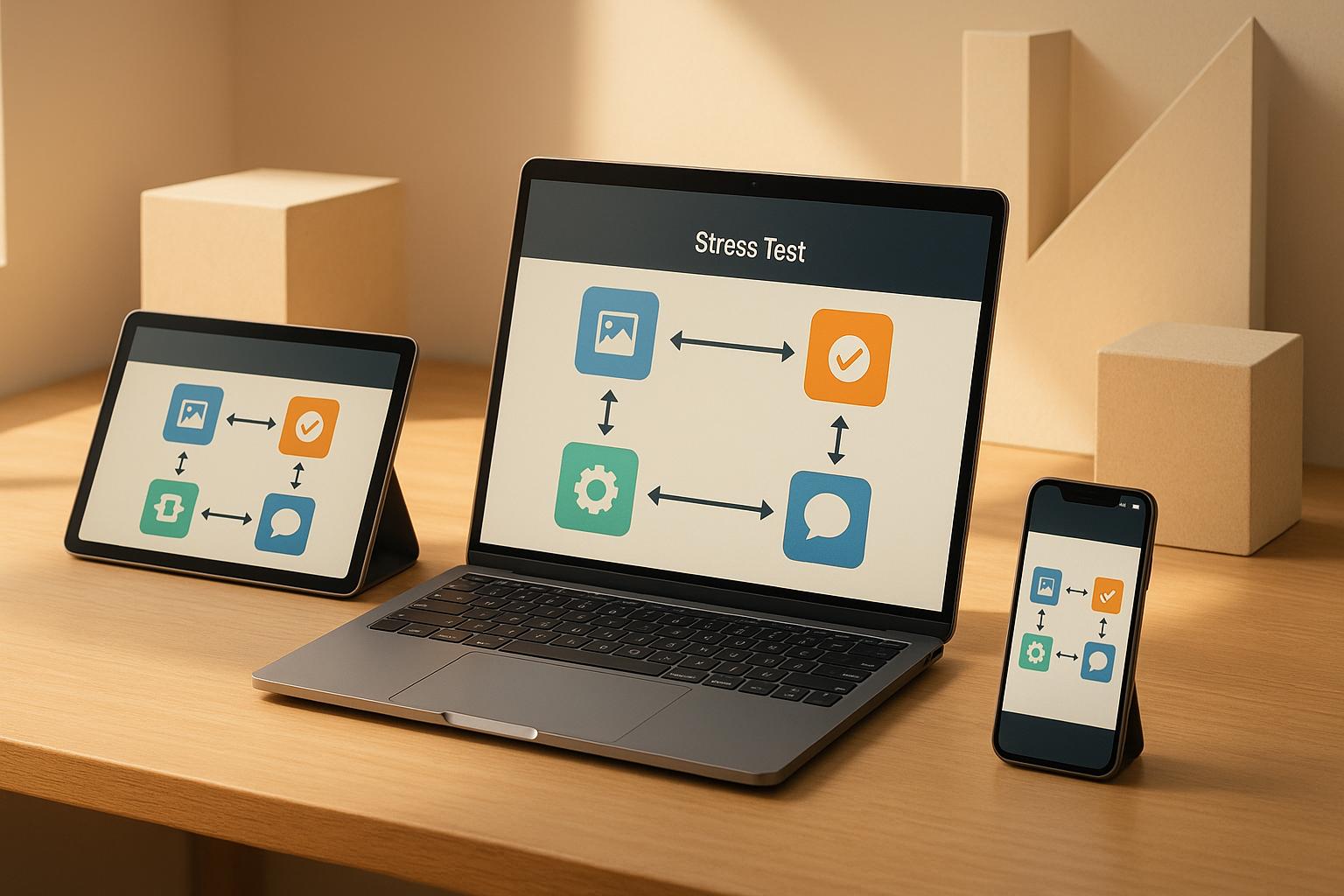
Practical steps to stress test cross-platform apps: set goals, build realistic environments, choose tools, run load scenarios, monitor metrics, and fix bottlenecks.